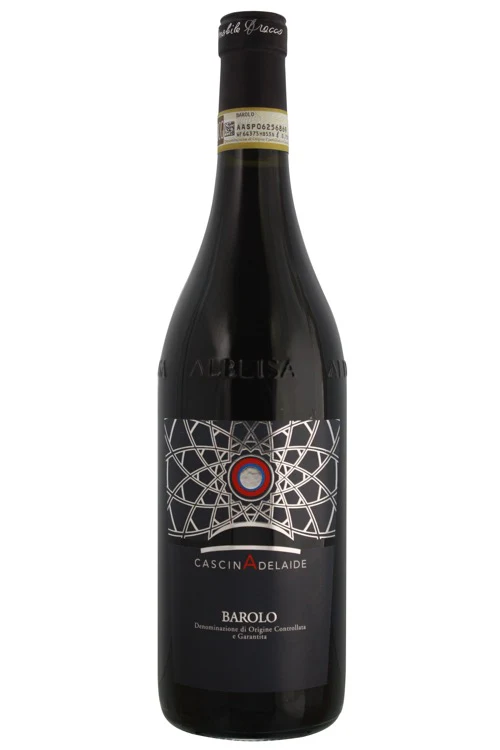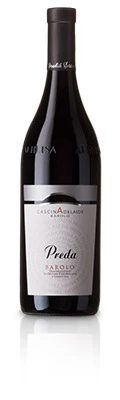
Cascina Adelaide Barolo Preda - 2021 (750ml)
TASTING NOTES
Preda shows a bold red ruby colour. This great wine amazes for it's intensity with plum jam and mulberry then developed menthol and iodate tones. The structure is huge in the mouth full bodied and licorice and ripened re fruit aromas are really clear in the glass.
THE VINEYARD
The vines are Guyot grown with the countertrellis system of planting, and medium-short pruning. The vineyard has an average density of 5,700 vine-stocks per hectare, and the production is reduced by the cluster thinning method.
VINIFICATION
The grapes are collected when they are fully ripened and laid into small 20kg perforated boxes. A strict cluster selection is made. The grapes are taken to the wine cellar where they stay for 12 hours in a •drying room" lowering the dampness above 5% the crushing operations are very careful and soft, to preserve the skin quality and not to have the grapestalk in the must. The fermentation takes place thank to indigenous yeasts at the controlled temperature of about 30°C with repeated and delicate pumping over. The mare maceration is long, 350 hours on average. The new wine is then put in wooden barrels, where the subsequent spontaneous malolactic fermentation takes plac
Original: $89.99
-65%$89.99
$31.50Product Information
Product Information
Shipping & Returns
Shipping & Returns
Description
TASTING NOTES
Preda shows a bold red ruby colour. This great wine amazes for it's intensity with plum jam and mulberry then developed menthol and iodate tones. The structure is huge in the mouth full bodied and licorice and ripened re fruit aromas are really clear in the glass.
THE VINEYARD
The vines are Guyot grown with the countertrellis system of planting, and medium-short pruning. The vineyard has an average density of 5,700 vine-stocks per hectare, and the production is reduced by the cluster thinning method.
VINIFICATION
The grapes are collected when they are fully ripened and laid into small 20kg perforated boxes. A strict cluster selection is made. The grapes are taken to the wine cellar where they stay for 12 hours in a •drying room" lowering the dampness above 5% the crushing operations are very careful and soft, to preserve the skin quality and not to have the grapestalk in the must. The fermentation takes place thank to indigenous yeasts at the controlled temperature of about 30°C with repeated and delicate pumping over. The mare maceration is long, 350 hours on average. The new wine is then put in wooden barrels, where the subsequent spontaneous malolactic fermentation takes plac